
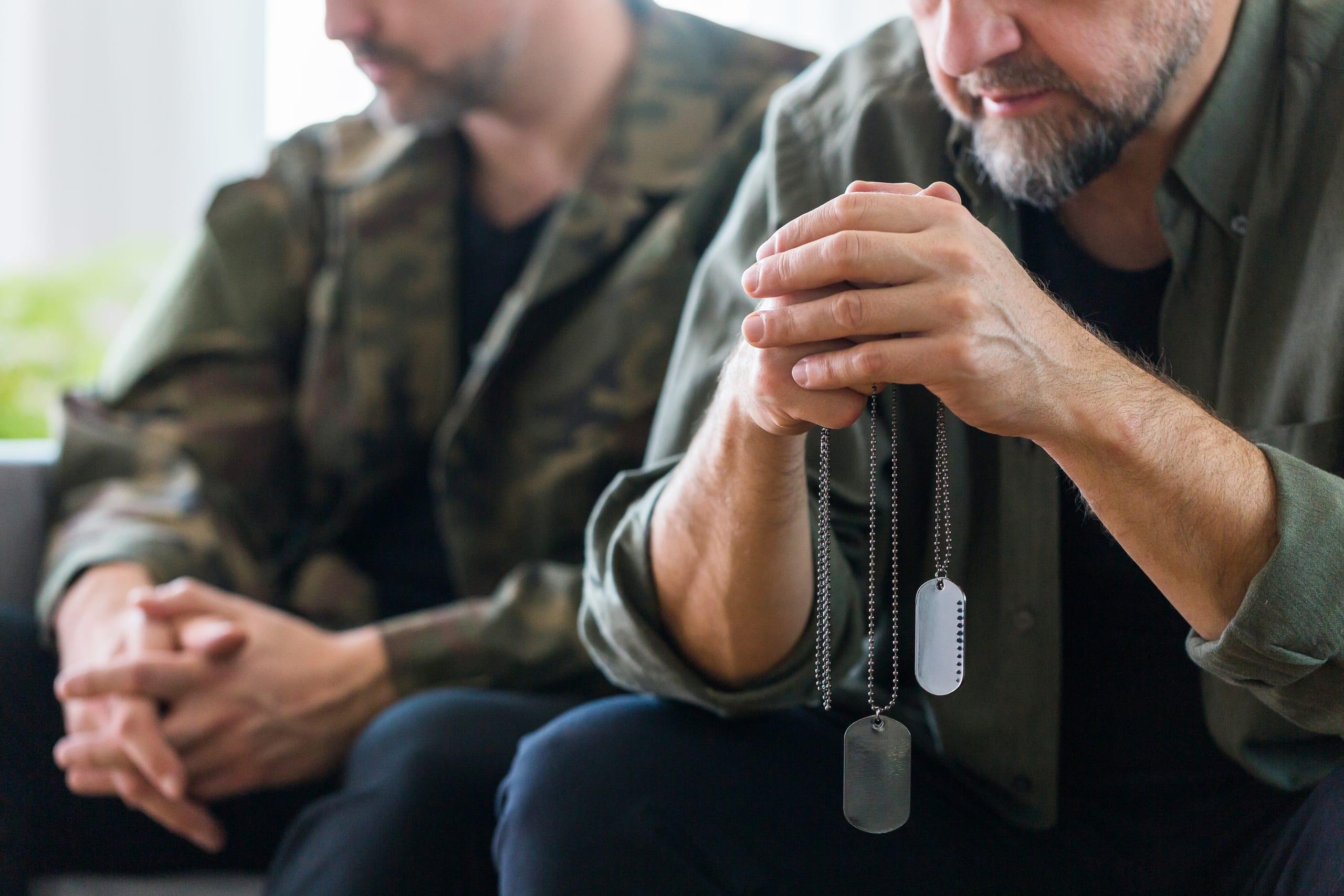
About Freedom Ranch Veterans Foundation
Founded by veterans who lived the problem before they built the solution
Why we exist
They didn't build Freedom Ranch from the outside looking in.
Co-founder / President Povas Miknaitis and strategic advisor Matthew Beaghley both served, and both went through the same transition that veterans face every day: leaving behind a military life that had shaped who they were, and stepping into a civilian world with no clear map for who to become next.
They built it because they'd been through it, and they knew firsthand how little real support exists once the uniform comes off.
They didn't build it alone
Transition isn't just a challenge for the wounded.
Joining them as a co-founder is Sandy Lehmkuhler, who brings more than two decades of experience serving veterans and military families, including founding a major nonprofit in the San Diego area supporting combat-wounded veterans after 9/11.
That work gave Sandy a front-row seat to what real recovery and support can look like, and it left her certain of one thing: it's a challenge nearly every servicemember faces, whether their wounds are visible or not.
Built from experience
Three founders saw the same gap from different angles, and set out to close it.
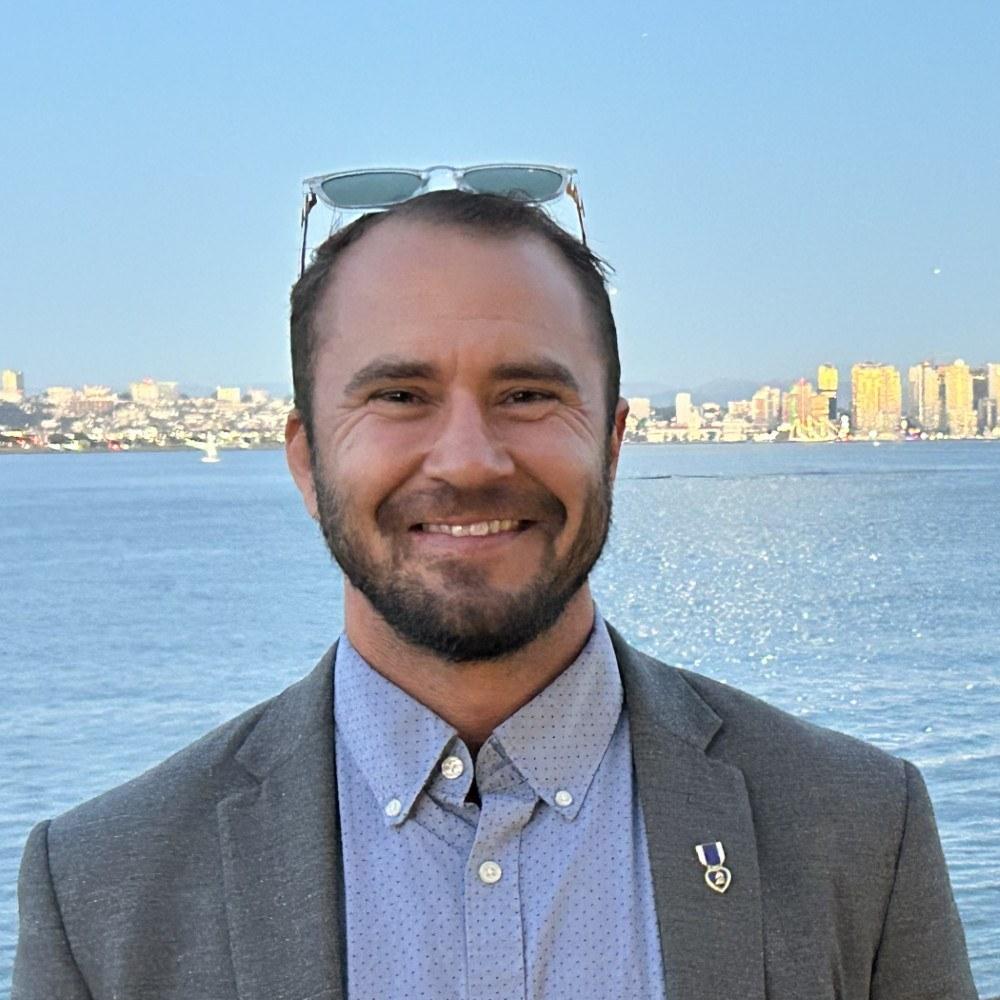
Povas Miknaitis
President, Co-Founder
Marine Corps Scout Sniper, Purple Heart recipient, and Co-Founder who brings his own transition experience directly into how Freedom Ranch serves veterans.
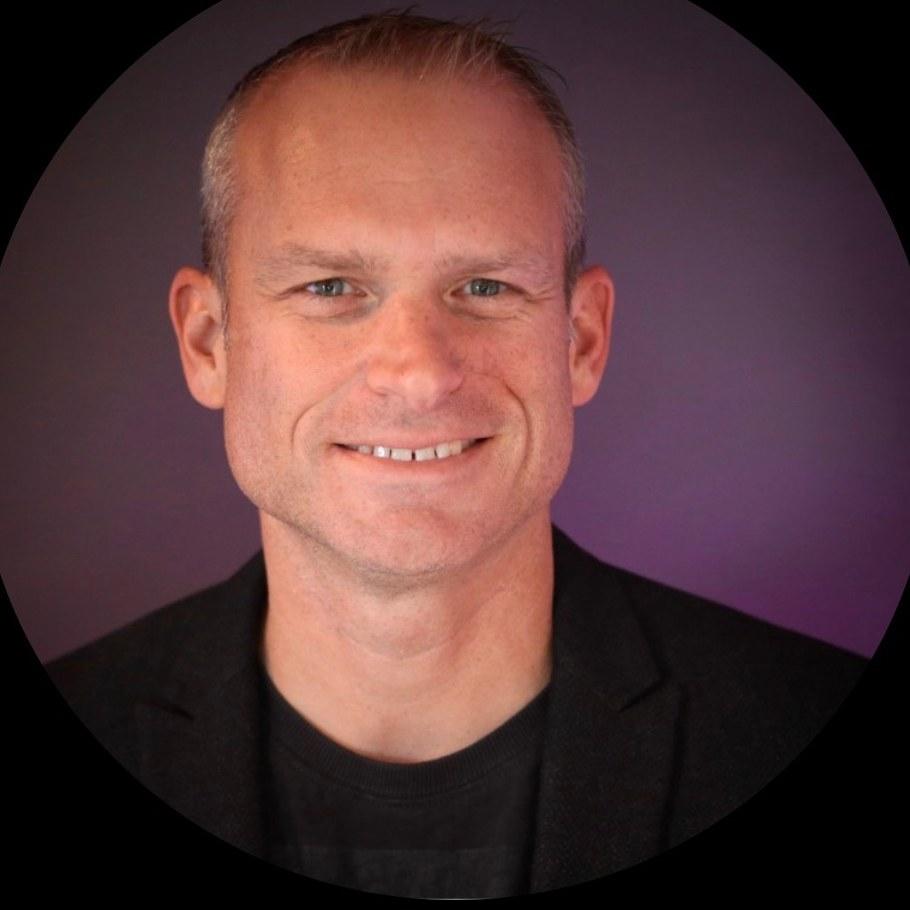
Matthew Beaghley
Strategic Advisor
Retired Navy Lieutenant Commander and TopGun graduate whose work on the Navy Flag Officer transition program became the spark for Freedom Ranch.
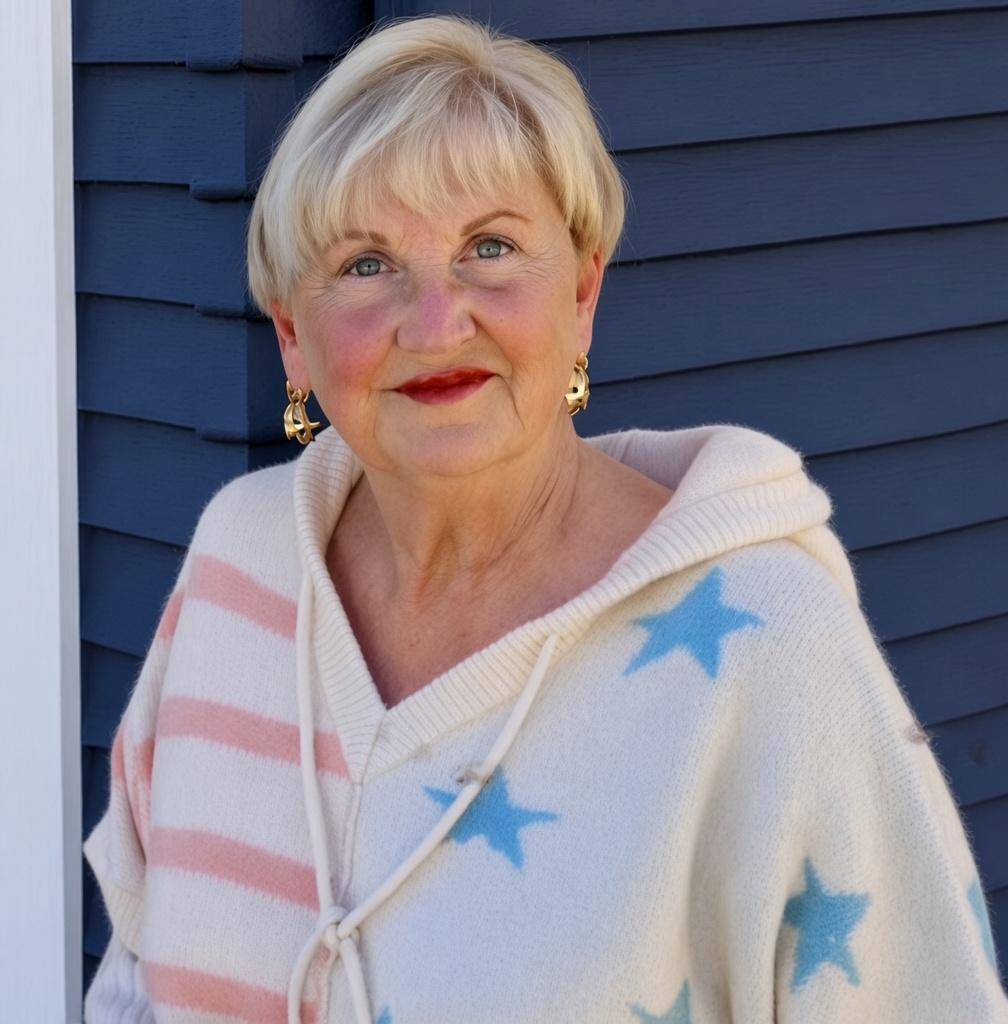
Sandy Lehmkuhler
Secretary, Co-Founder
Founder of Warrior Foundation Freedom Station and a two-decade advocate for wounded veterans and military families.
The gap
The military is exceptionally good at building people.
Over the course of a career, it molds identity, instills discipline, and defines purpose down to the smallest detail. What it is not built to do is unmold that person when their service ends.
What transition support looks like now
Transition support too often becomes a checklist. Boxes get checked.
- A resume workshop
- A benefits briefing
- A final medical exam
What the checklist never addresses
Nothing on that checklist addresses the deeper shift a veteran actually has to make, rebuilding what the military spent years building for them.
Identity
Purpose
Daily Structure
That gap is why Freedom Ranch exists, and it's why our approach looks different from most transition programs.
Our approach
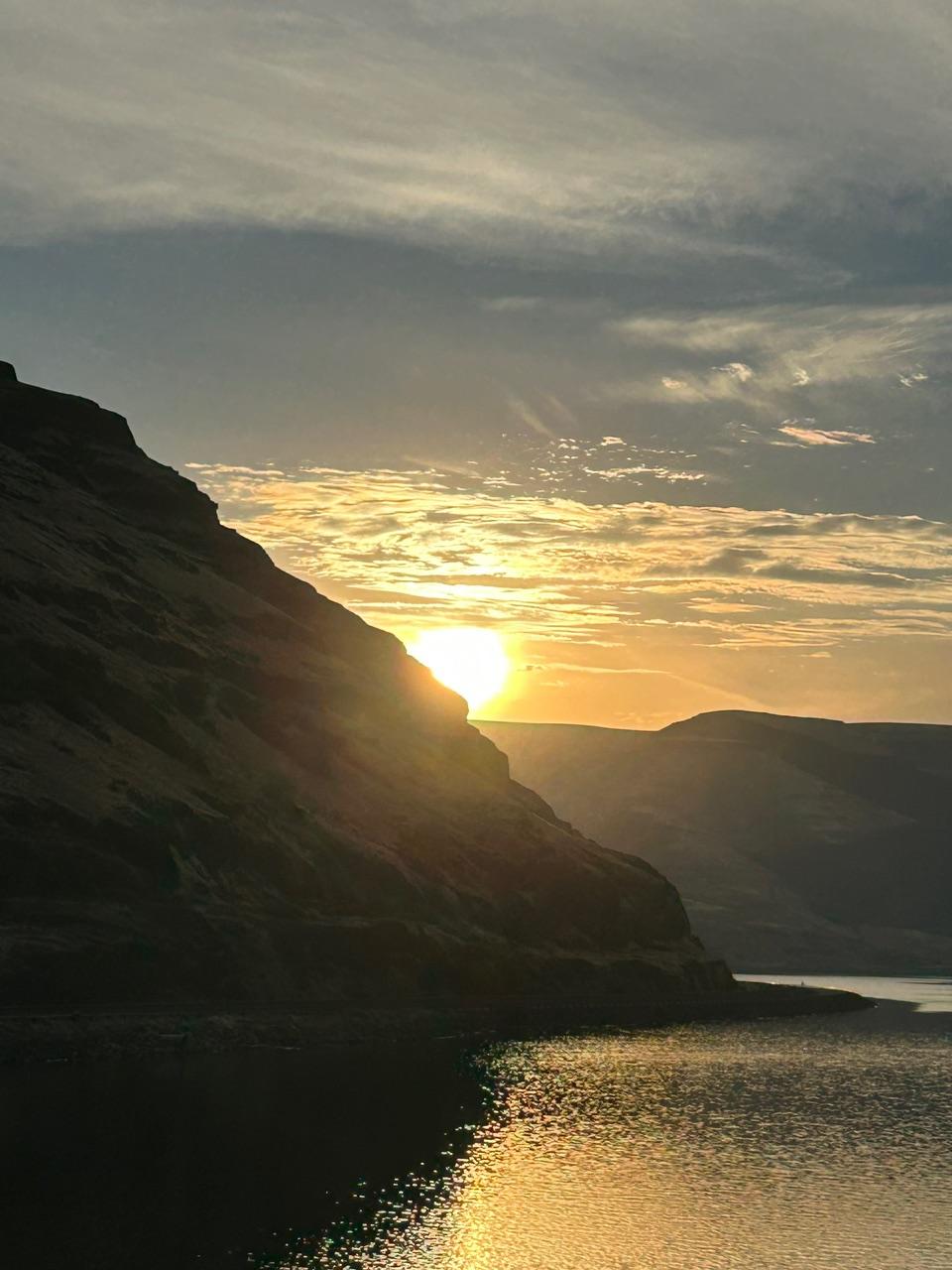
The retreat isn't the destination - it's where the work can start.
Rather than another briefing room or online module, Freedom Ranch brings veterans to ranch estates, away from the noise of the city, everyday obligations, and the pace of civilian life.
It's in that quiet that the real work of transition can start: reconnecting with who you are outside of your job title or rank, meeting other veterans walking the same road, and meeting the coaches who will walk alongside them for the six months that follow.
It's the space where veterans can finally hear themselves think, and where the relationships that carry them through transition begin.
- Retreats
- Quiet, away from the noise.
- Coaching
- Six months, walking alongside.
- Community
- Relationships that continue.
A different definition of support
Not a final checklist to close out a service member's file, but a real process built on retreats, coaching, and community, to help veterans move from who the military shaped them to be into who they choose to become next.
Accountability
Freedom Ranch Veterans Foundation is a registered 501(c)(3). Our leadership, board, and financials are public.